Essay
Vitamin B6: Pyridoxine vs. P5P: Safety, Toxicity, and Supplementation
A comprehensive analysis of pyridoxine (vitamin B6), neurological risk, and safer alternatives.
Abstract
Vitamin B6 is an essential micronutrient required for neurotransmitter synthesis, amino acid metabolism, immune regulation, and red blood cell formation. Despite its essential role, increasing clinical evidence shows that **chronic supplementation with pyridoxine hydrochloride (Pyridoxine HCl)**can result in dose-dependent neurotoxicity, including peripheral neuropathy that may be irreversible.
This article provides a comprehensive review of vitamin B6 metabolism, compares pyridoxine HCl with pyridoxal-5-phosphate (P5P), examines safety and toxicity data, and offers evidence-based guidance for safer supplementation.
1. What Is Vitamin B6?
Vitamin B6 is not a single compound but a family of chemically related vitamers, including:
- Pyridoxine
- Pyridoxal
- Pyridoxamine
All forms must ultimately be converted into pyridoxal-5-phosphate (P5P) to be biologically active.
Core physiological functions:
- Neurotransmitter synthesis (serotonin, dopamine, GABA)
- Amino acid metabolism
- Homocysteine regulation
- Hemoglobin synthesis
- Immune system modulation
2. Pyridoxine Hydrochloride (Pyridoxine HCl)
What it is
Pyridoxine HCl is a synthetic, inactive precursor form of vitamin B6 used in the vast majority of supplements and fortified foods.
Why manufacturers use it
- Chemically stable
- Inexpensive
- Long shelf life
- Easy to mass-produce
Metabolic requirement
Pyridoxine must be converted in the liver through a two-step enzymatic pathway to become P5P. Conversion efficiency varies widely among individuals.
3. Pyridoxal-5-Phosphate (P5P)
What it is
P5P is the biologically active coenzyme form of vitamin B6.
Key characteristics
- Immediately usable by the body
- Does not require hepatic conversion
- Participates directly in over 100 enzymatic reactions
Clinically relevant for:
- Individuals with liver impairment
- Genetic polymorphisms affecting B6 metabolism
- Chronic inflammation
- Neurological or metabolic conditions
4. Vitamin B6 Metabolism (Visual Overview)


Figure 1: Conversion pathway of pyridoxine pyridoxal-5-phosphate (P5P)
5. Safety & Toxicity: What the Evidence Shows
5.1 Pyridoxine-Induced Peripheral Neuropathy
The primary documented risk of pyridoxine is sensory peripheral neuropathy.
Common symptoms:
- Tingling or burning sensations
- Numbness in hands and feet
- Loss of proprioception
- Balance problems
- Sensory ataxia
10 mg | Comparable to dietary intake; safe | | 10200 mg | Clear neurotoxicity risk | | >200 mg | High likelihood of nerve damage |
Several regulatory agencies have lowered recommended upper limits due to nerve damage occurring at doses once considered safe.
6. Why Pyridoxine Can Be Toxic (But P5P Rarely Is)
Excess pyridoxine can:
- Saturate conversion enzymes
- Accumulate as inactive antagonists
- Interfere with normal nerve signaling
P5P:
- Is directly utilized
- Does not accumulate as an inactive metabolite
- Has very few documented toxicity cases
7. Pyridoxine vs. P5P 25 mg**.
While these amounts are below acute toxicity thresholds, long-term daily exposure, combined with fortified foods or additional supplements, can lead to unintentional chronic overconsumption.
9. Visual: Peripheral Neuropathy Mechanism
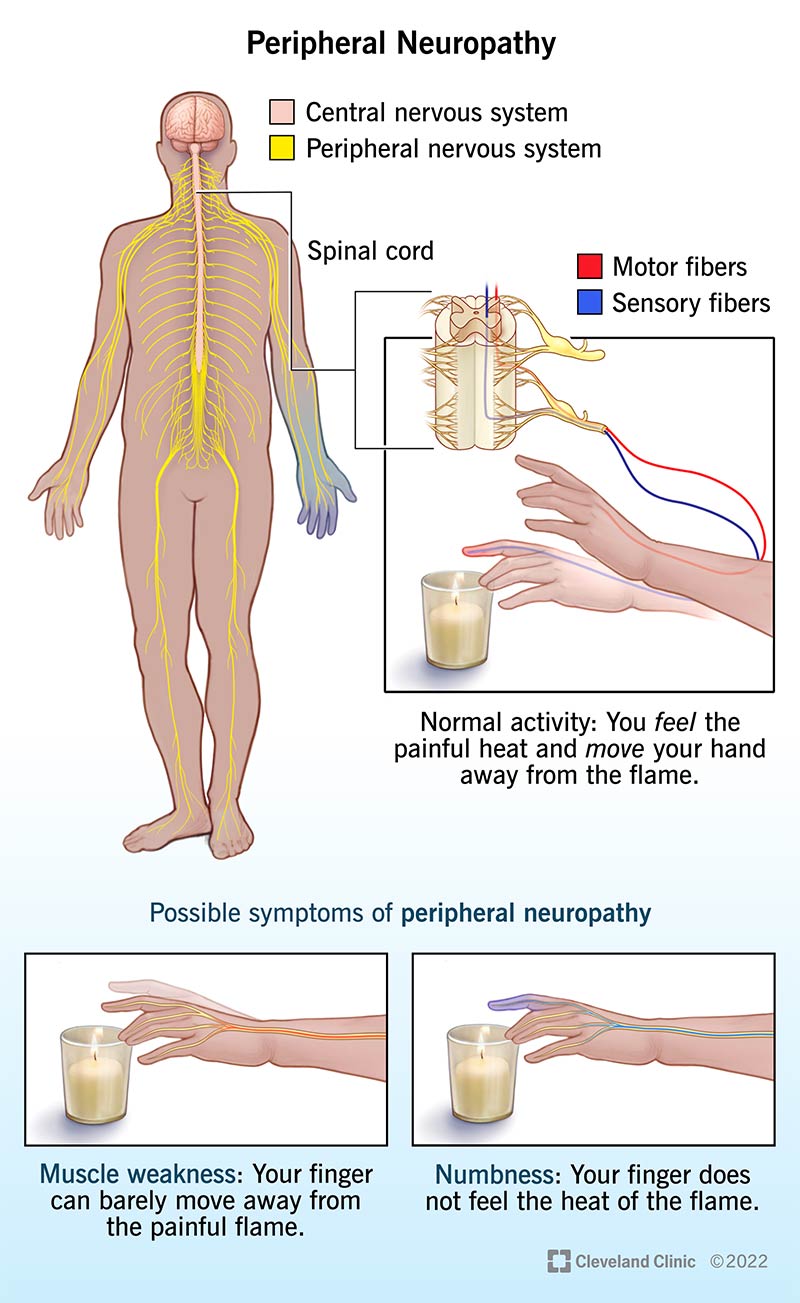
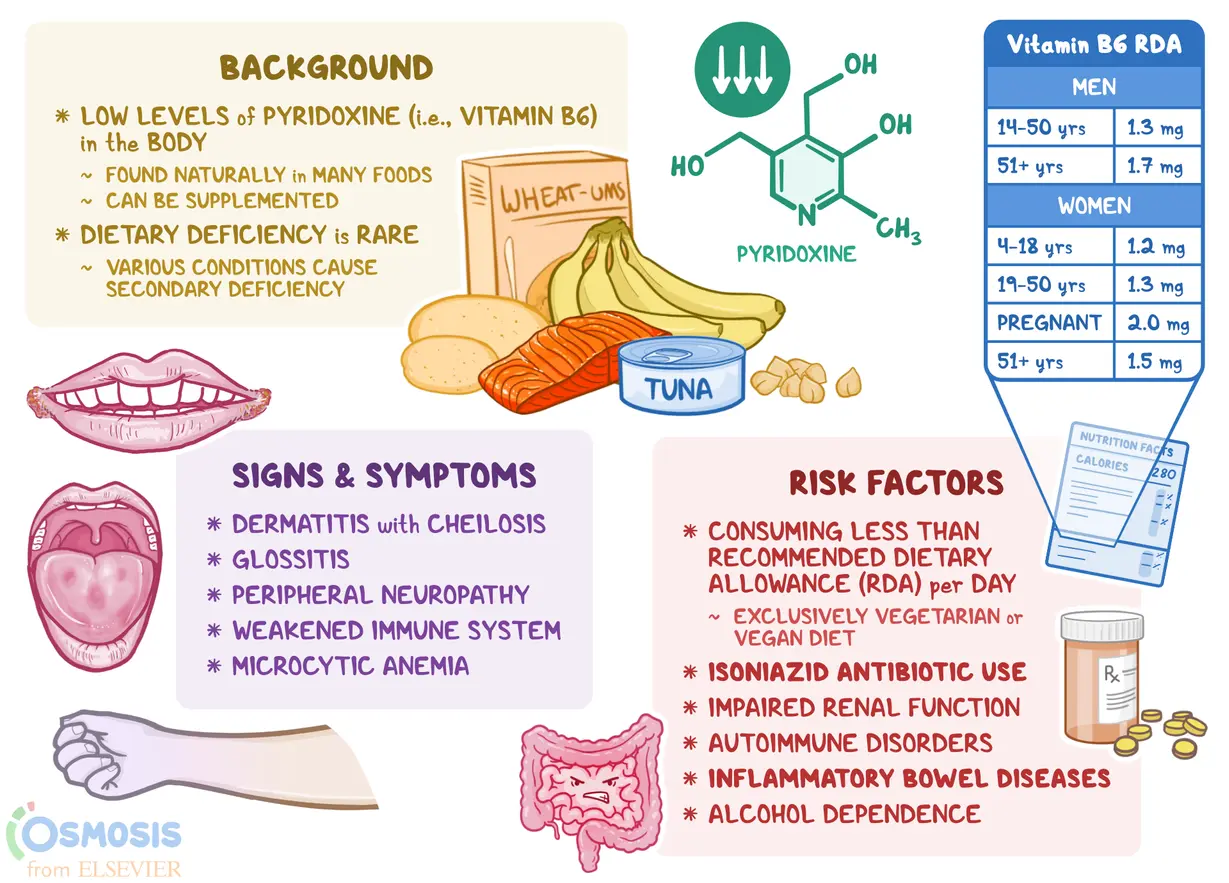

Figure 2: Sensory nerve damage associated with chronic pyridoxine exposure
10. Practical Supplementation Guidance
General population
- Avoid chronic pyridoxine doses above 1025 mg/day
- Use the lowest effective dose
Warning signs of B6 toxicity
- Tingling or numbness
- Burning sensations
- Gait instability
- Loss of coordination
If symptoms appear, discontinue supplementation immediately and seek medical evaluation.
11. Suggested Charts for Publication
You may include or generate the following visuals:
- Dose vs. neuropathy risk curve
- Pyridoxine vs. P5P metabolic flow diagram
- Comparison bar chart of effective doses
- Multivitamin B6 dosage distribution
(These can be implemented later via SVG, Mermaid, or JS chart libraries if desired.)
12. Conclusion
Vitamin B6 is essential Office of Dietary Supplements
- Mayo Clinic Vitamin B6 Neuropathy Alerts
- Peer-reviewed neurology and nutrition literature
Disclaimer
This article is for educational purposes only and does not constitute medical advice. Always consult a qualified healthcare professional before beginning or modifying supplementation.
Pure Markdown
- Image groups included
- Copy-paste deployable
Have a story, concern, observation, difficult question, or essay worth serious consideration?
We welcome thoughtful submissions: essays, observations, local concerns, links, difficult realities, unfinished thoughts, and things that feel too important to ignore.
Submission does not guarantee publication, response, investigation, endorsement, or follow-up. But thoughtful engagement matters here.
Submit Something Worth Considering
Join the conversation.
Thoughtful comments, questions, disagreements, and additions are welcome. Bring seriousness. Bring honesty. Bring what is worth considering.